
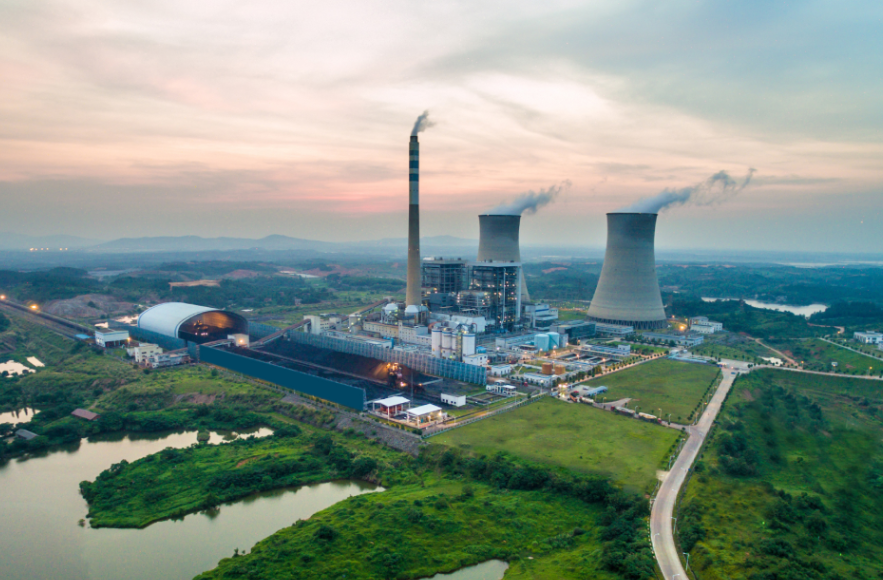
As the need for energy rapidly increases, it is evident that a new source of power is needed. Nuclear energy, which is a great solution to this energy crisis, has been unfairly rejected for years.
Before getting into the benefits of nuclear energy, it is important to know how nuclear power plants work. The International Atomic Energy Agency states, “Nuclear power plants generate electricity by using nuclear fission to create heat, which turns water into steam. This steam drives turbines connected to a generator to produce carbon-free electricity.” Countries have started trying to use more carbon-free electricity, such as nuclear power and hydroelectric power, because it is much better for the environment.
Nuclear energy’s biggest benefit is that it is a clean energy source. Nuclear plants provide pollution-free power with no greenhouse emissions. According to earth.org, “Big nuclear players like France, Saudi Arabia, Canada, and South Korea are among the countries that recorded the fastest decline in carbon intensity and experienced a clean energy transition by building nuclear reactors and hydroelectric dams.” It can be reasonably inferred that if the US followed suit of the countries using nuclear, the US could make a transition from harmful fossil fuels to cleaner energy sources. Although nuclear energy could not entirely replace fossil fuels, the United States could minimize the amount of fossil fuels they use, reducing the greenhouse emissions sent into the atmosphere.
Common misconceptions
As with most new technologies, people fear nuclear energy. When hearing the word, “nuclear,” our minds jump to bombs, explosions, or war. Like anything, nuclear energy is not 100% safe, but it’s also not a ticking time bomb. Let’s clear the murky water surrounding nuclear energy, and uncover the truth.
Nuclear power plants are a safe and eco-friendly alternative energy source. In fact, Argonne National Laboratory states, “No member of the public has ever been injured or killed in the entire 50-year history of commercial nuclear power in the U.S.” Nuclear power plants are designed to ensure safety to the public and include safety systems and reinforcements. Another concern about nuclear power plants is the radiation they emit. Nuclear power plants release 0.005% of the average American yearly radiation intake. This percentage is about 100 times less than the average intake from coal. Nuclear power plants waste is actually 96% recyclable, this means it is a clean energy source(Argonne National Laboratory). Understanding more about nuclear power plants will lead us to make sound decisions about our energy sources.
After learning about nuclear power plants, how they operate, and common misconceptions people have about them, we discovered that they are a safe alternative energy source. Nuclear power plants generate clean energy, making them sustainable resources. A lot of uncertainty and fear surrounds nuclear power plants, preventing us from implementing them. We must learn, research, and understand alternative resources to solve this energy crisis.
Sources cited:
-https://www.iaea.org/newscenter/news/what-is-nuclear-energy-the-science-of-nuclear-power
-https://earth.org/the-advantages-and-disadvantages-of-nuclear-energy/
-https://www.anl.gov/article/10-myths-about-nuclear-energy
Image Source:
-https://news.mit.edu/2023/study-shutting-down-nuclear-power-could-increase-air-pollution-0410