
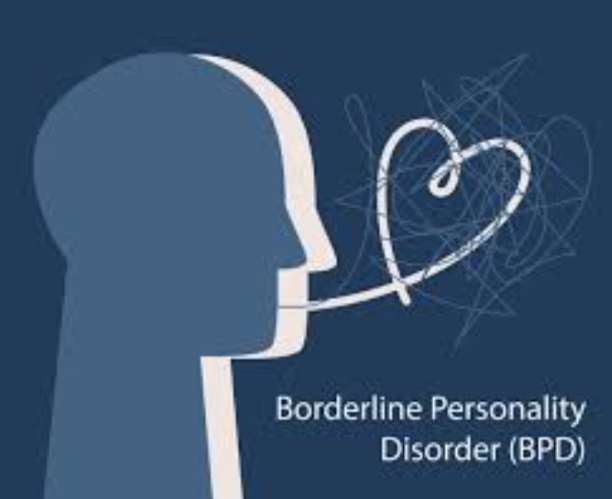
Borderline Personality Disorder (or BPD), is classified as a Cluster B personality disorder. It affects approximately 1.4% to 5.9% of the general adult population. BPD is characterized by a pervasive pattern of instability in moods, interpersonal relationships, self-image, and behavior. It involves extreme emotional sensitivity, intense anger, impulsivity, and a fear of abandonment. The most common examples of these key factors are patterns of idealizing then devaluing partners or friends, risky actions like dangerous driving, overspending, or substance abuse, intense mood swings lasting from a few hours to days, frequently shifting goals, values, and self-image; extreme efforts to avoid real or imagined rejection, and threats of suicide or self-injury.
BPD can be a scary or sensitive topic to discuss, but it is important that people stay educated. Borderline Personality Disorder is caused by a complex interaction of genetic, brain-based, and environmental factors, typically arising from a combination of inherited vulnerability and early life trauma. Key factors include childhood abuse or neglect, structural brain changes affecting emotional regulation, and genetic predisposition. However, not everyone who has any of these causes has BPD. BPD can only be diagnosed by a licensed psychiatrist. If you have any of the symptoms previously mentioned for extended periods of time, it might be time to find a professional near you. Remember, it is okay to reach out for help, there is absolutely nothing shameful about taking care of your mental health.
Information: https://www.nimh.nih.gov/health/publications/borderline-personality-disorder
DSM-5
Image:
https://canyonvista.com/blog/understanding-borderline-personality-disorder/